
The Rise of Multi-Color Hair Accessories: Key Considerations for B2B Buyers in the Fashion Industry
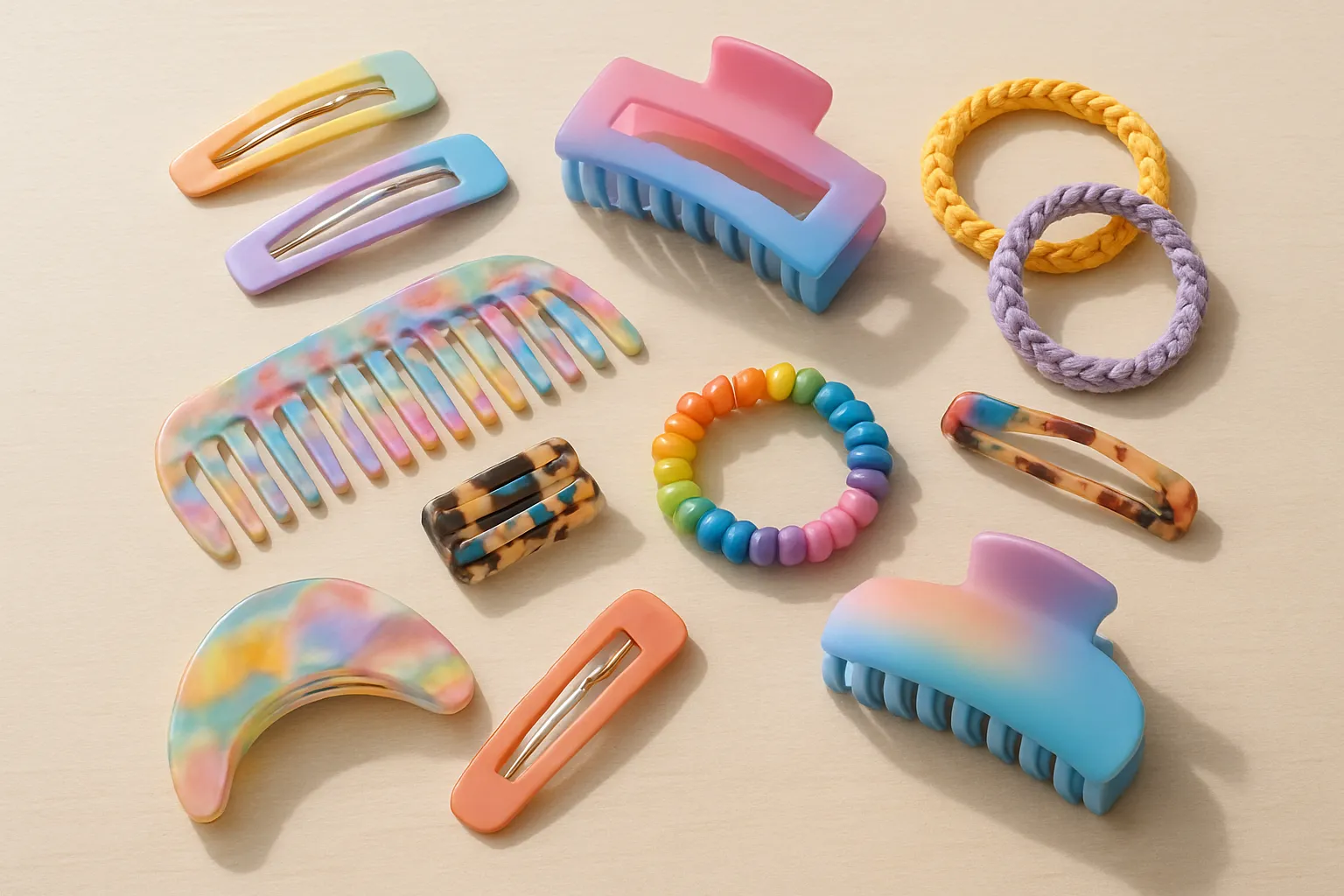
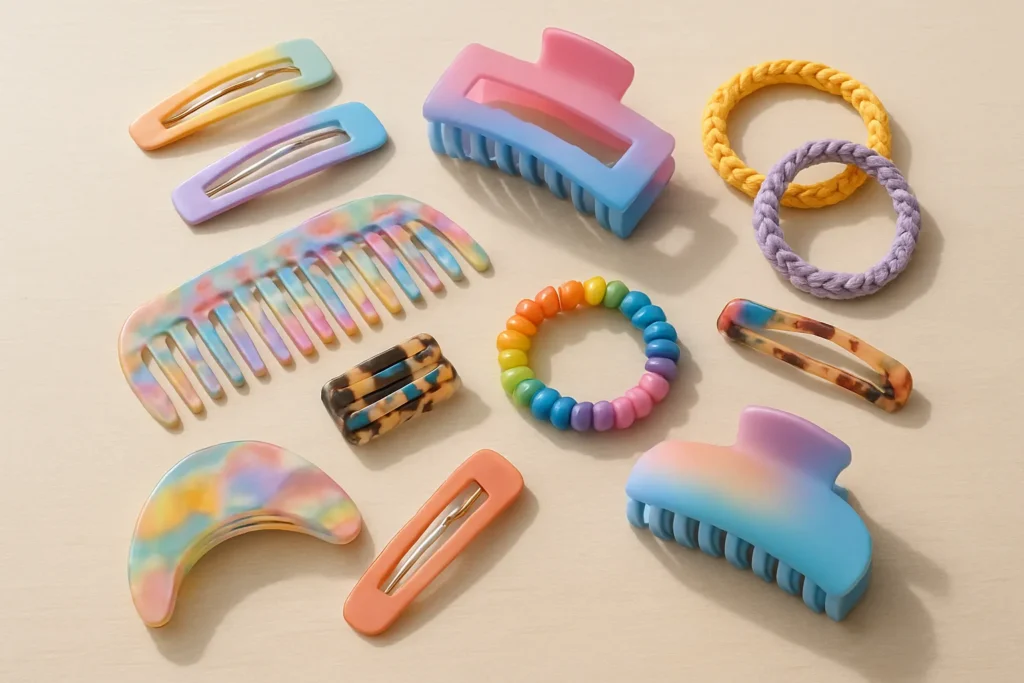
As fashion trends continue to evolve, multi-color hair accessories have emerged as a significant segment in the beauty and fashion industry. These accessories, characterized by a vibrant array of colors and patterns, encompass everything from scrunchies and headbands to clips and ties. Their eye-catching designs not only enhance hairstyles but also allow individuals to express their unique personalities and style preferences. In today’s market, the relevance of multi-color hair accessories is immense. Consumers are increasingly drawn to products that combine functionality with aesthetic appeal, making it essential for B2B buyers to grasp the rising demand for multi-color hair accessories. Understanding the intricacies of the market and the specifications of these accessories is crucial for making informed purchasing decisions.
When exploring options for multi-color hair accessories, several specifications should be taken into account to ensure product quality and customer satisfaction.
The materials used in multi-color hair accessories significantly influence their durability, comfort, and overall appeal. Common materials include cotton, polyester, and elastane, each offering distinct advantages. For instance, cotton is breathable and soft, making it ideal for daily wear, while polyester boasts durability and resistance to wear and tear. B2B buyers should prioritize suppliers who focus on high-quality materials to meet customer expectations.
Another critical aspect is the size and elasticity of the accessories. Elastic hair accessories, such as scrunchies and bands, should provide a secure fit without causing discomfort. Buyers must evaluate the stretchability of the materials used and the range of sizes available to cater to diverse hair types and styles. Offering a variety of sizes is an effective way to enhance customer satisfaction and expand the target market.
The color palette of multi-color hair accessories plays a crucial role in their appeal. It’s vital for buyers to stay informed about current color trends to ensure their inventory aligns with consumer preferences. Seasonal colors, such as pastels in spring or earthy tones in fall, can significantly influence purchasing decisions. By understanding these trends, B2B buyers can curate a selection that resonates with their target audience.
Multi-color hair accessories cater to a diverse range of demographics and occasions, making them a versatile product category.
These accessories appeal to various age groups, from children to adults. Younger consumers often gravitate towards playful and fun designs, while adults may prefer more sophisticated options. Identifying the target demographic is essential for B2B buyers to effectively tailor their offerings.
Seasonal trends and events significantly influence the demand for multi-color hair accessories. For instance, summer festivals and holiday parties often see a surge in accessory purchases as consumers look to elevate their outfits. B2B buyers should strategically plan their inventory to capitalize on these seasonal opportunities.
The versatility of multi-color hair accessories allows for numerous styling options, from casual to formal looks. This adaptability makes them an attractive option for retailers, as they appeal to a broader customer base. Promoting this versatility in marketing strategies can attract more clients.
When sourcing multi-color hair accessories, evaluating potential suppliers based on key attributes is essential.
B2B buyers should seek suppliers who demonstrate reliability, quality control, and a diverse product range. A supplier’s ability to deliver consistent quality and timely shipments can significantly impact a retailer’s success. Additionally, those offering customization options can help businesses differentiate their product lines.
While price is always a consideration in B2B transactions, it should not compromise quality. Conducting a thorough price versus quality analysis can help buyers make informed decisions. Although it may be tempting to opt for the cheapest option, investing in higher-quality products often leads to better customer satisfaction and repeat business.
The reputation of a hair accessory supplier is a critical factor in the purchasing decision. B2B buyers should seek suppliers with positive customer reviews and a proven track record in the industry. Engaging with other businesses that have worked with potential suppliers can provide valuable insights into their reliability and product quality.
Sourcing strategies can differ significantly between domestic and international suppliers, each presenting its own set of advantages and challenges.
Domestic suppliers may offer quicker shipping times and easier communication, while international suppliers can provide competitive pricing and a broader product range. B2B buyers should carefully weigh these factors based on their specific needs and market demands. Establishing relationships with both types of suppliers can create a balanced inventory strategy.
Understanding minimum order quantities (MOQs) is crucial for B2B buyers. Some suppliers may have high MOQs, which can pose a challenge for smaller retailers. Buyers should look for suppliers offering flexible MOQs that align with their business model, allowing for manageable inventory levels without financial overcommitment.
Shipping and delivery logistics are vital in the sourcing process. Buyers must consider shipping costs, delivery times, and the reliability of carriers. Efficient shipping practices can enhance the overall purchasing experience and ensure that products reach customers in a timely fashion.
Once B2B buyers have sourced their multi-color hair accessories, implementing effective strategies is key to maximizing sales.
Effectively managing inventory is crucial for meeting customer demand without overstocking. Utilizing inventory management software can help track stock levels, predict trends, and automate reordering processes. This approach ensures that retailers always have popular items in stock while minimizing excess inventory.
Marketing strategies should emphasize the unique features and benefits of multi-color hair accessories. Leveraging social media platforms, influencer partnerships, and targeted advertising can effectively reach the desired audience. Engaging content showcasing styling ideas and seasonal trends can also drive consumer interest.
Bundling multi-color hair accessories with complementary products can enhance sales. For example, pairing hair accessories with hair care items or fashion products can create attractive packages that appeal to customers. This strategy not only increases the average order value but also encourages customers to explore a wider range of offerings.
B2B buyers often have concerns regarding product quality, supplier reliability, and pricing. Addressing these concerns through transparent communication and providing detailed product specifications can build trust and facilitate smoother transactions.
Buyers may seek clarification on sourcing practices, including material origins and production processes. Suppliers should be prepared to provide this information to reassure buyers about the quality and sustainability of their products.
The future of multi-color hair accessories looks promising, with ongoing trends toward personalization and sustainability. As consumers continue to seek unique and eco-friendly options, B2B buyers should remain attuned to these shifts to stay competitive in the market.
In conclusion, the rise of multi-color hair accessories presents a significant opportunity for B2B buyers in the fashion and beauty industry. By understanding the specifications, use cases, and sourcing strategies, buyers can make informed decisions that enhance their product offerings. As trends continue to evolve, staying ahead of the market will be essential for success. Embracing the vibrant world of multi-color hair accessories can lead to increased customer engagement and ultimately drive sales growth. industry reference