
Understanding the Market for Wholesale Fabric Hairbands: Key Insights for Retailers and Salons
1. Introduction to Wholesale Fabric Hairbands
In the dynamic landscape of fashion and beauty, hair accessories have established a prominent niche. Among these, wholesale fabric hairbands have gained popularity among both retailers and salons. The hair accessories market thrives due to evolving consumer preferences, fashion trends, and a rising demand for stylish yet functional products. It’s crucial for retailers and salons to recognize the importance of offering high-quality hair accessories to attract and retain customers, making wholesale fabric hairbands a vital component of their inventory.
As consumers become increasingly fashion-conscious, the necessity for versatile and appealing hair accessories has surged. From my experience, retailers that stock wholesale fabric hairbands not only meet this growing demand but also enhance their product offerings. Salons can leverage these accessories by incorporating them into their services, ultimately boosting customer satisfaction and loyalty.
2. Specifications of Wholesale Fabric Hairbands
Grasping the specifications of wholesale fabric hairbands is essential for retailers and salons aiming to make informed purchasing choices.
Material Types and Quality
Wholesale fabric hairbands are available in various materials, each offering distinct qualities and advantages. Common materials include cotton, polyester, and blends that provide both comfort and durability. I believe retailers should prioritize hairbands made from high-quality fabrics that can withstand daily wear while remaining comfortable for the user.
Sizes and Styles Available
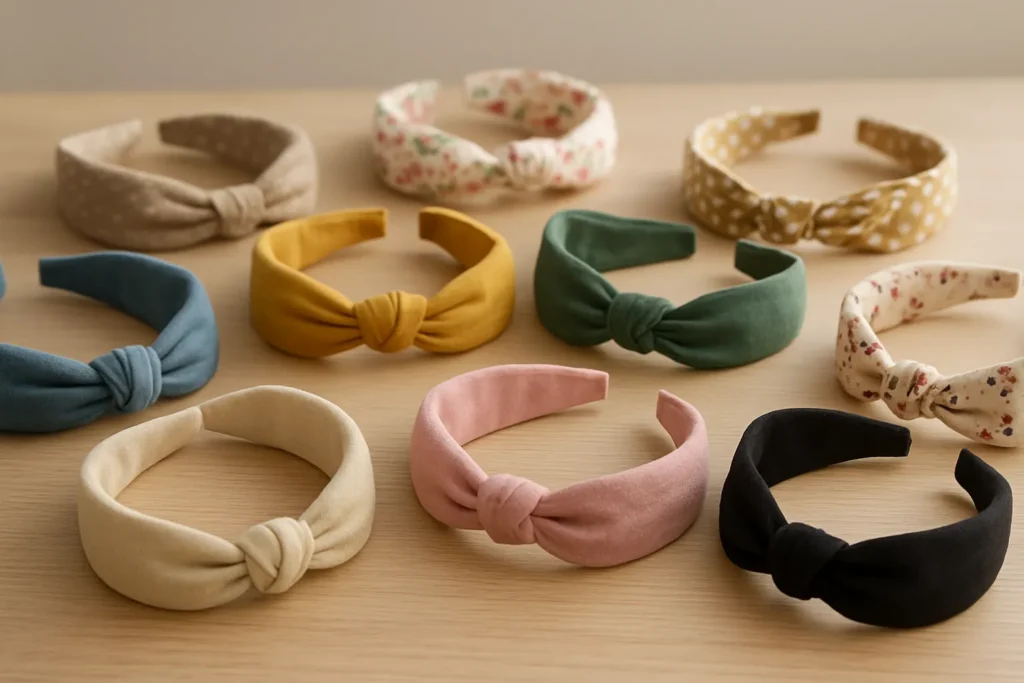
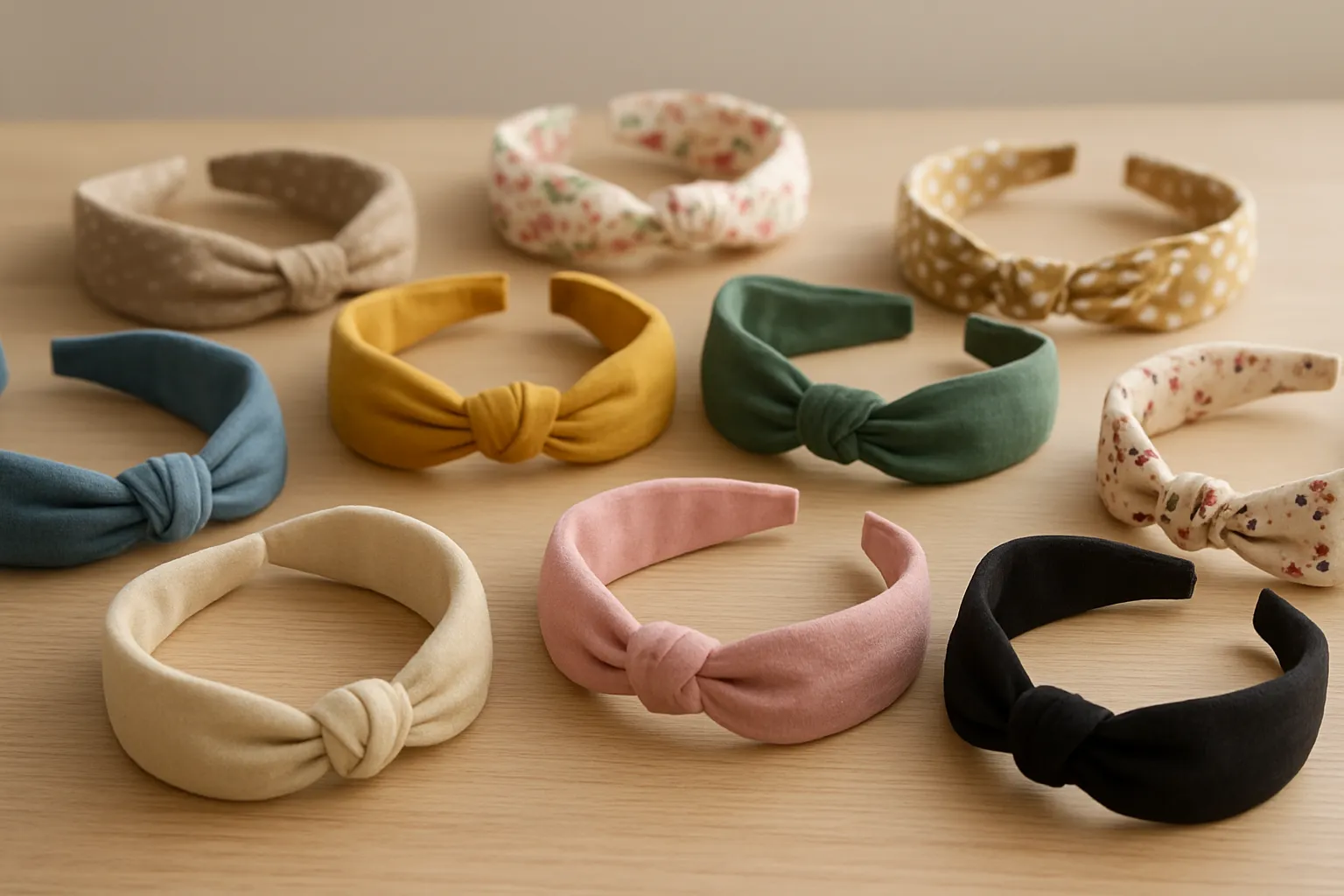
The range of sizes and styles of wholesale fabric hairbands is another important consideration. Hairbands can vary from thin, delicate bands to thicker, more substantial options. Styles may include patterned, solid colors, or even embellished designs. Retailers should ensure they stock a diverse array of sizes and styles to cater to different customer preferences and hair types.
Customization Options
Customization is a growing trend in the wholesale fabric hairband market. Many suppliers offer retailers the chance to create unique designs that reflect their brand identity. This can include custom colors, patterns, or even logo placements, allowing retailers to stand out in a competitive market.
3. Use Cases for Hair Accessories in Retail
Hair accessories, especially fabric hairbands, present numerous use cases that can drive sales in retail environments.
Target Demographics
Understanding the target demographics is key for effective marketing. Fabric hairbands appeal to a wide range of consumers, including children, teenagers, and adults. Retailers should tailor their inventory to align with the preferences of their primary customer base, ensuring they have options that resonate with each demographic.
Seasonal Trends and Promotions
Seasonal trends significantly impact consumer buying behavior. Retailers can capitalize on holidays, back-to-school seasons, or summer styles by promoting specific hairband collections. Limited-time promotions or seasonal discounts can create urgency and encourage customers to make a purchase.
Bundling with Other Hair Products
Bundling wholesale fabric hairbands with other hair products, such as hair ties or styling products, can enhance the shopping experience. This strategy not only increases the average transaction value but also encourages customers to try new products they may not have considered.
4. Comparing Wholesale Fabric Hairbands
When sourcing wholesale fabric hairbands, it’s crucial to compare options across various suppliers to ensure the best quality and value.
Price Points Across Suppliers
Price points can vary significantly among suppliers. Retailers should conduct thorough market research to understand the average prices for wholesale fabric hairbands and identify suppliers that offer competitive rates without compromising quality.
Quality Assessment Criteria
Quality is paramount when selecting wholesale fabric hairbands. Retailers should establish criteria for assessing quality, which may include factors such as fabric durability, comfort, and design consistency. Ordering samples from potential suppliers can be a helpful way to evaluate these aspects before making bulk purchases.
Brand Reputation and Reviews
The reputation of a supplier can greatly influence the reliability of the products. Retailers should seek out suppliers with positive reviews and a strong track record in the industry. Engaging with fellow retailers for recommendations can also provide valuable insights into reputable sources for wholesale fabric hairbands.
5. Sourcing Wholesale Fabric Hairbands
Sourcing wholesale fabric hairbands requires a strategic approach to ensure both quality and cost-effectiveness.
Finding Reliable Suppliers
Finding reliable suppliers is the first step in the sourcing process. Retailers can explore trade shows, online marketplaces, and industry directories to identify potential partners. Building relationships with suppliers can lead to better terms and exclusive offers.
Negotiating Terms and Pricing
Once potential suppliers are identified, negotiating terms and pricing is crucial. Retailers should be prepared to discuss minimum order quantities, bulk discounts, and payment terms. Establishing a clear agreement can prevent misunderstandings and foster a positive working relationship.
Importing vs. Domestic Sourcing
Retailers must decide whether to source hairbands domestically or import them from overseas manufacturers. Domestic sourcing often allows for quicker shipping times and easier communication, while importing may offer cost advantages. Each option has its pros and cons, and retailers should evaluate their specific needs before making this decision.
6. Implementation Strategies for Retailers and Salons
Once wholesale fabric hairbands are sourced, implementing effective strategies is essential for maximizing their impact in retail and salon settings.
Display Techniques for Hair Accessories
Effective display techniques can significantly influence sales. Retailers should create attractive displays that highlight the variety of hairbands available. Using mannequins, tiered stands, or eye-catching signage can draw attention and encourage customers to explore the offerings.
Marketing Strategies to Promote Sales
Marketing strategies should aim to raise awareness and drive traffic to the retail location or salon. Utilizing social media platforms, influencer partnerships, and email marketing campaigns can effectively promote new arrivals and special promotions. Engaging content that showcases the versatility of fabric hairbands can resonate with potential customers.
Inventory Management Best Practices
Effective inventory management is critical to ensure that retailers and salons can meet customer demand without overstocking. Implementing inventory tracking systems can help monitor sales trends and adjust orders accordingly. Regularly reviewing inventory levels can also prevent stockouts during peak seasons.
7. Frequently Asked Questions
Common Concerns About Sourcing
Retailers often have concerns about sourcing wholesale fabric hairbands, particularly regarding quality and reliability. Engaging with suppliers and requesting samples can help alleviate these concerns.
Understanding Minimum Order Quantities
Many suppliers impose minimum order quantities (MOQs) that retailers must meet to secure wholesale pricing. Understanding these requirements is essential for budgeting and inventory planning.
Shipping and Delivery Considerations
Shipping and delivery can impact the overall cost and timing of orders. Retailers should inquire about shipping options, lead times, and any additional fees that may apply to ensure they can manage their inventory effectively.
Conclusion
Wholesale fabric hairbands present a lucrative opportunity for retailers and salons aiming to enhance their product offerings. By understanding the market, specifications, and sourcing strategies, businesses can effectively integrate these popular hair accessories into their inventory. With well-planned implementation strategies and marketing efforts, retailers can capitalize on the rising demand for fashionable hair accessories, ultimately driving sales and customer loyalty. For further insights on the market, consider checking this industry reference from AZoM.